
Swearapy Therapy with Wash
Hello!
I’m Wash. I’ve been a therapist in the Waterloo Region since 2013 working to mental health, personal growth and important relationships. After years of working in the region, I’m building something of my own: Swearapy Therapy.
Yes, the name is meant to be a bit cheeky and also to hopefully make you smile. But you should know, it’s also a promise (or a swear, if you will) that this will be a therapy practice where your whole self gets to show up authentically on your good, bad, and ugly days. My therapy room, be it the virtual one or the walk and talk eco-therapy “room,” or at the WorkHaus, is a safe one.
I do my best to be a therapist who talks straight (but queerly) and listens with real depth. My work is about creating a steady, honest space where you can unpack the hard stuff and move forward with intention.
I offer individual, couples, and family therapy sessions, virtually in Ontario and limited in-person in Kitchener, Ontario.
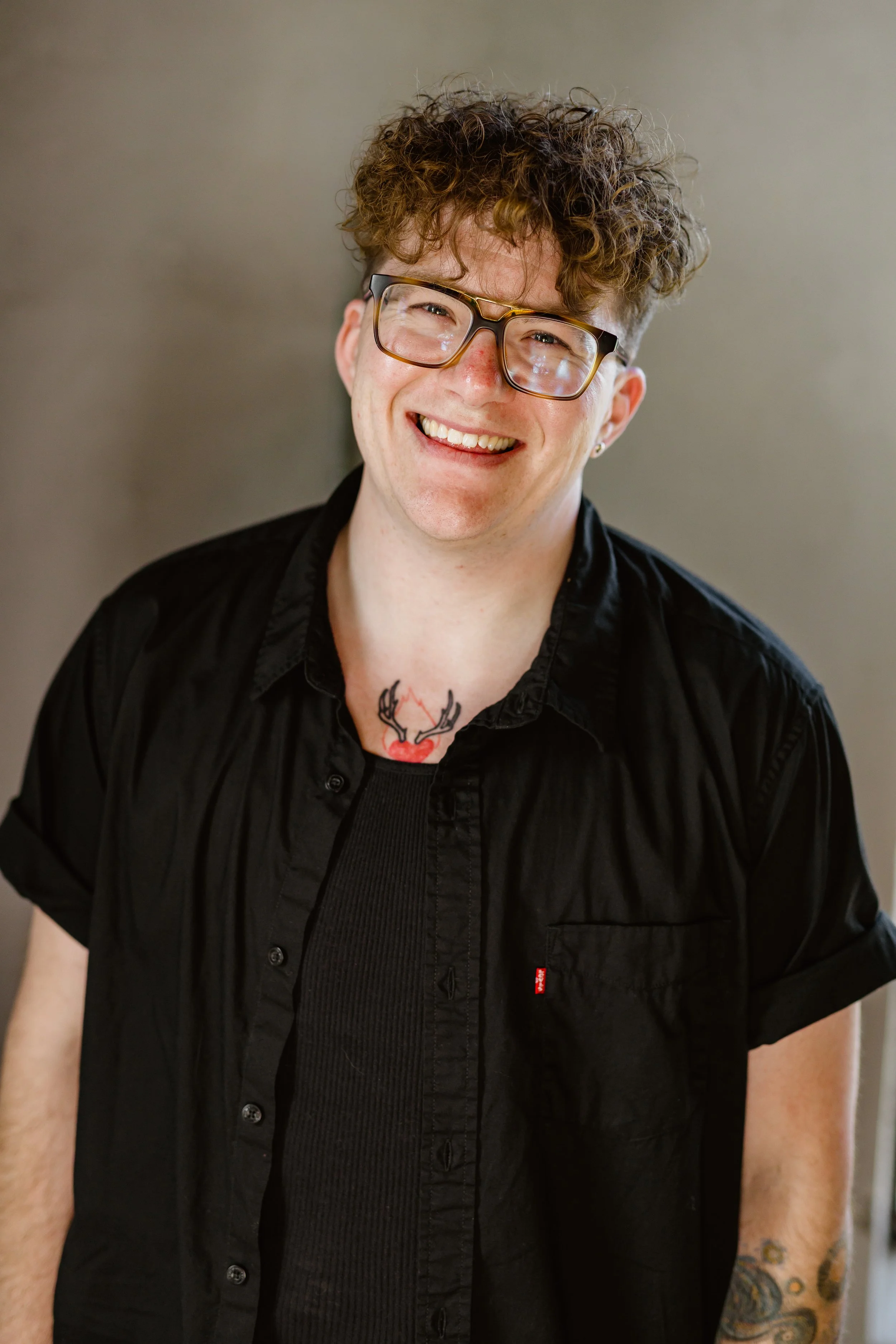
Image Description: Wash, a white transman stands against a soft, neutral background, wearing a black button‑up shirt over a black ribbed top. They are smiling. He has short curly hair, glasses, and a stylized antler and heart tattoo visible on his upper chest.
Land Acknowledgement
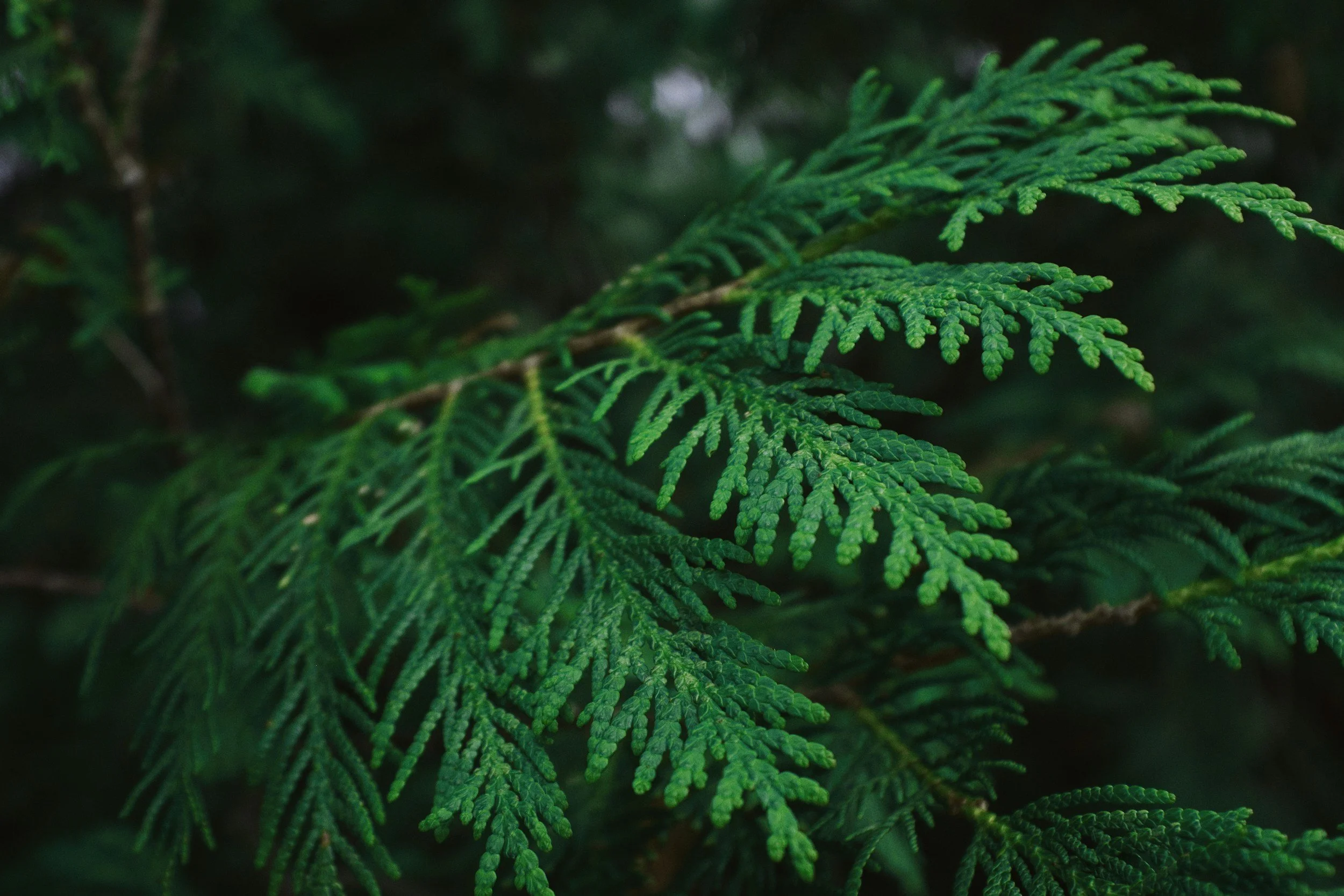
Image Description: A green cedar tree bough. Cedar is a sacred and medicinal tree for Haudenosaunee and many other Indigenous nations, used for protection, purification, and healing.
Swearapy Therapy is on the traditional territory of the Attawandaron (also known as Neutral), Anishinaabe and Haudenosaunee peoples. Swearapy Therapy is situated on the Haldimand Tract, the land promised to the Six Nations that includes six miles on each side of the Grand River. Originally 950,000 acres were set aside for the Haldimand Tract, but today only 48,000 acres (or less than 5%) remain in the possession of the six nations.
Land acknowledgements are a first step in reconciliation. It acknowledges both the original peoples of the land, its ongoing stewards and the broken treaty relationships that still affect us today. Colonization is an ongoing process, where systemic and institutional systems of power have and continue to oppress and marginalize Indigenous peoples. Colonization also deeply influences the way non-Indigenous people understand historical and current relationships, often obscuring and justifying ongoing harm. There is no wellbeing without reconciliation and accountability.
If you would like to know more about the Haldimand Tract please visit the Six Nations Website